
We have more data, better technology and more AI capability than ever before. The question is whether we’re using any of it to change what happens next.
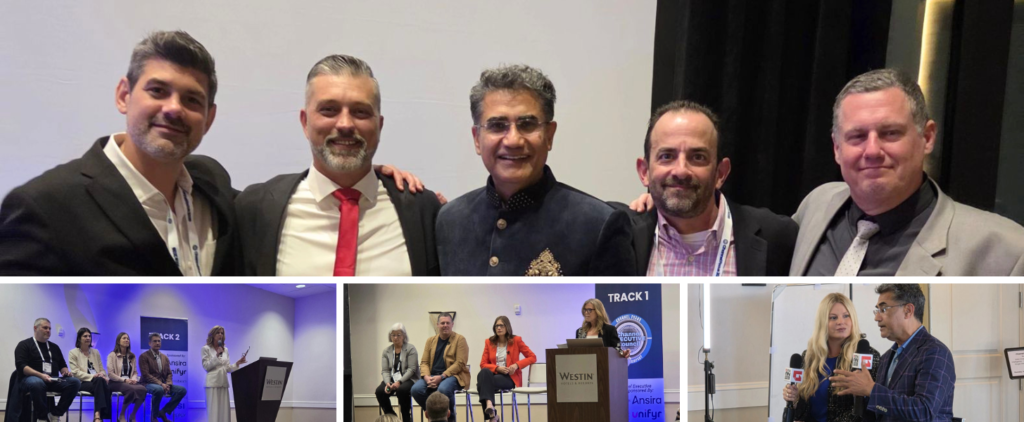
That was my biggest takeaway from Channel Focus 2026, held October 20 to 22 in Carlsbad, CA. Our Mindmatrix team spent three days with partner and revenue leaders discussing what’s changing across the channel and what it might mean for 2027.
The opening keynote, featuring Baptie & Company and leaders from several technology providers, brought many of those changes into focus. The conversations throughout the event kept coming back to the same challenge: how do we turn partner activity into measurable outcomes?
Four themes that matter for 2027
1. Partner programs need to evolve
Deal registration, tiering, MDF and annual planning still have a role (well, maybe not tiering). But the structures around them were built for a more transactional channel. As partner business models change, we need to reconsider what we reward, what we measure and how we help partners succeed.
2. The transaction is only part of the outcome
Customers expect value beyond the license purchase. Consumption and services models make those expectations even more explicit. Partner programs need to account for what partners contribute across the customer relationship, including adoption, ongoing value and growth.
That changes how we define partner performance and where we should invest in partners for the future.
3. AI adoption is an execution problem
There is plenty of innovation. The harder work is getting AI into the daily activities of partner and revenue teams.
Onboarding, co-selling and demand generation are practical places to start. But adding AI to a process only matters if people use it and it improves the outcome. Adoption has to be part of the operating model.
4. Agility has to show up in how we work
The partners, skills and GTM approaches that worked a year ago may need to change. Annual planning still matters, but teams also need the ability to act on new information between planning cycles.
That makes it imperative to know what’s changing, decide what to do about it and give people the tools to respond.
Data and intelligence have to lead to action
Across my sessions, conversations at the booth and other speaking opportunities during the event, I kept coming back to three points that connect these themes:
“Data availability has changed. The ability to connect and process data is better than it’s ever been, however the use of the data that’s available is just not keeping up.”
“There is a lack of adoption when it comes to AI, not a lack of innovation.”
“You must take action on data AND intelligence to drive revenue. This activity creates the outcome, not the data itself.”
The gap between insight and execution is where we need to focus. Knowing which partner needs help, which opportunity needs attention or which campaign needs to change is useful. Taking the next step is what creates the outcome.
What this means for Mindmatrix
Mindmatrix has evolved into an AI-powered GTM Operating System. Our work with GTMOS is focused on connecting data, intelligence and action across the way teams go to market.
Built on 29 years of experience working with partner organizations, GTMOS brings intelligence into the tools partners already use. Digital workers help execute the next step, while your team stays in control.
The goal is practical: help teams act on what they know and improve the outcomes they deliver with partners.
As you plan for 2027, start with the end in mind. What problem do you really want to solve, and where does your GTM execution stall between knowing what needs to happen and actually getting it done? Then put AI to work on that problem.
If we connected in Carlsbad, thank you for the conversation. Let’s keep it going. You can learn more about GTMOS at Mindmatrix.ai.
